
Published :
01/24/2026 19:13:12
Categories :
Sewing Tips
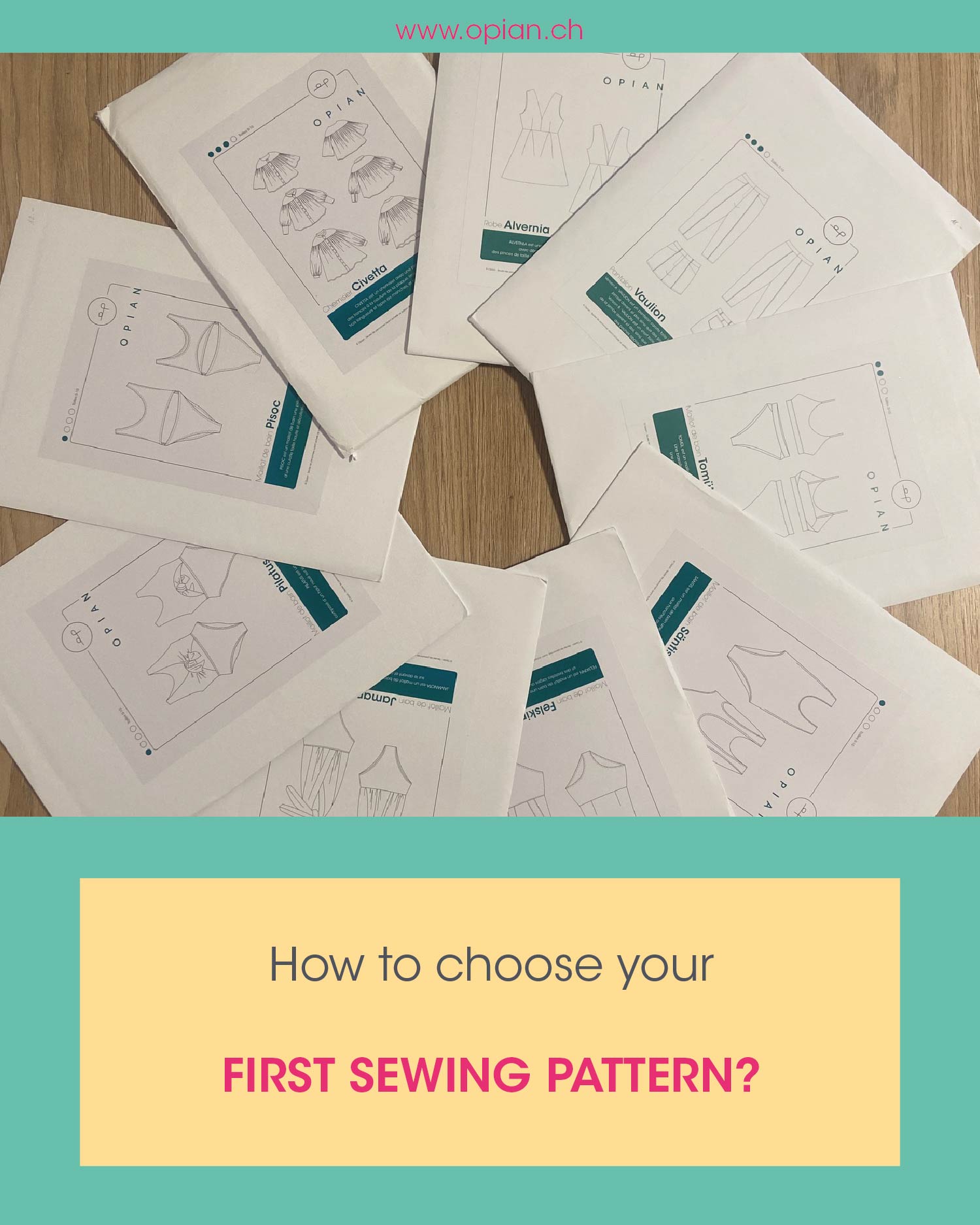
Even if you're creative, a project that's too complex can quickly become discouraging. It's therefore best to start with a simple project. Patterns are generally classified by difficulty; at Opian, the categories are as follows:
• Beginner
• Intermediate
• Advanced
• Expert
For your first attempt, choose a pattern clearly marked for beginners and featuring illustrated instructions, essential for progressing smoothly.
Don't embark on a complicated garment with complex adjustments or advanced techniques that might discourage you.
To begin, avoid:
• trousers
• swimsuits
• wedding dresses (yes, some people try!)
• tailored collars
• tailored sleeves
• fly fronts
• buttonholes
Instead, choose a short, quick, and rewarding project such as:
• A bag
• A cushion
• An elasticated or pleated skirt
• A hat or bucket hat
• A pouch
These projects allow you to become familiar with the sewing machine, straight seams, overlocking, and respecting seam allowances.
The choice of fabric is important for the success of your first sewing project. A simple, non-stretch canevas is ideal.
Avoid at all costs:
• Stretchy fabrics
• Fluid, thin, or slippery materials
Opt instead for the following fabrics:
• Canvas
• Poplin
• Cretonne
These stable fabrics allow for easy placement of pattern pieces and provide a clean seam.
To help you successfully complete your first sewing project, choose a pattern with the following features:
• Step-by-step diagrams
• Uncluttered pattern sheet
• Clear key
• Seam allowances included
Magazines, often very dense, are not recommended for complete beginners.
For true beginners, I recommend choosing a garment that is not sized.
This will allow you to learn to sew without worrying about adjustments. Once you've sewn your first garment, you can move on to making a larger piece, but before cutting, be sure to:
• Take your measurements accurately
• Choose your size based on your measurements, not standard store sizes
• Compare your measurements to the pattern's size chart
Each brand uses its own sizing system, so never choose "your usual size."
Your first sewing project should be a motivating success to keep you from getting discouraged. Simplicity, stable fabric, and clear instructions: these are the keys to a smooth start. And who knows, you might even find yourself mesmerised by this hobby for many years to come.