

Published :
01/24/2026 19:01:49
Categories :
Sewing Tips
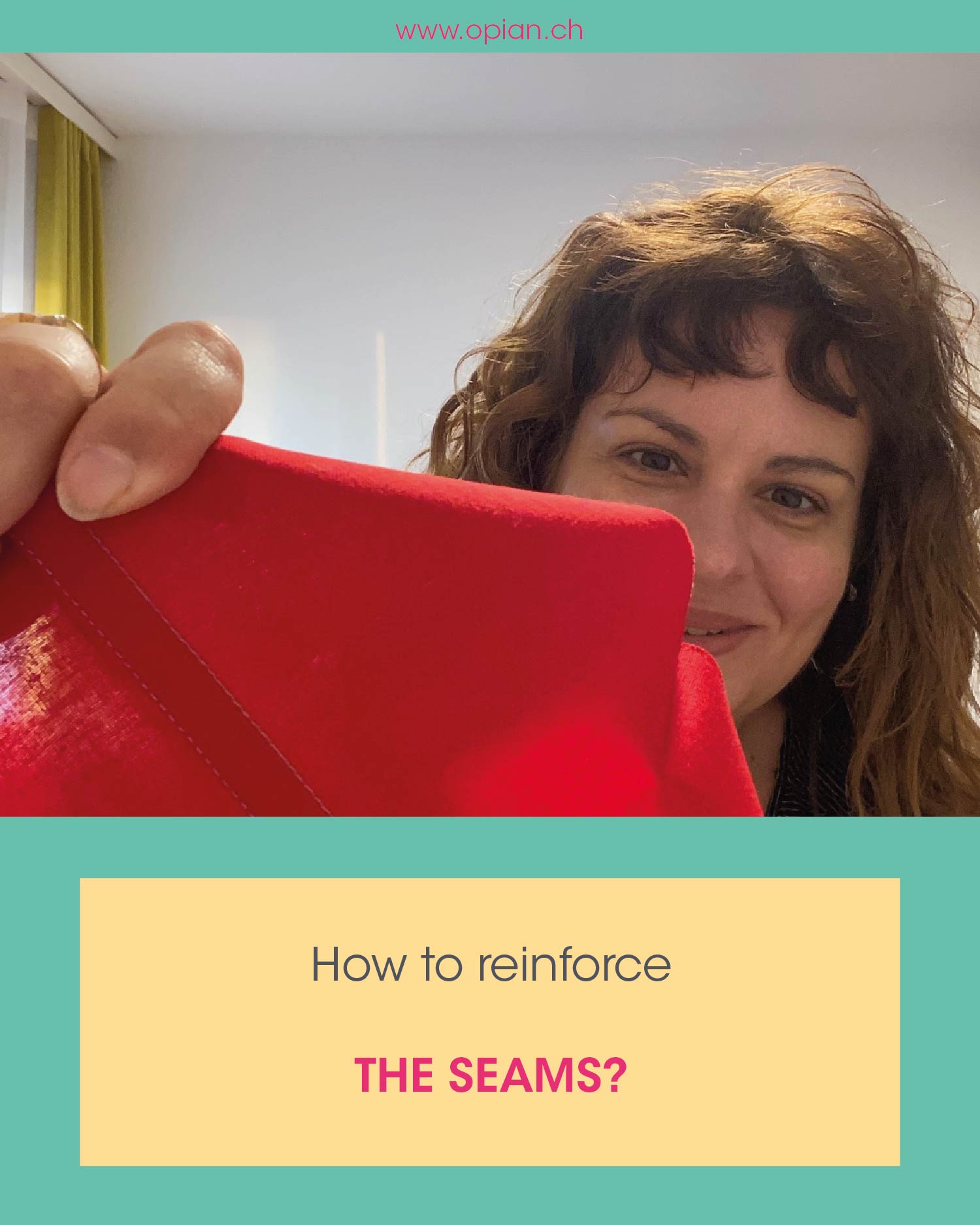
Sew a second row over the first, especially for areas that are subject to a lot of stress, such as fitted garments. This increases strength without altering the outer appearance or interfering with the interior.
For areas requiring strength and flexibility, such as the crotch of trousers, use a straight stitch, shifting the needle slightly (about two stitches) to create a very slight zigzag. This will give the stitch a slight elasticity, improving its durability.
Some sewing machines have a triple straight stitch, which is much more durable than a traditional straight stitch. If your machine offers this option, take advantage of it.
Particularly ideal for fine and sheer fabrics, French seams hide frayed edges while reinforcing the seam. They also ensure the inside of the garment is as neat and attractive as the outside.
To prevent fabrics from warping, such as bias-cut sections, necklines, or zippers, apply an interfacing tape. This stabilizes the fabric and prevents seams from gaping, and protects areas under high tension, such as zippers.
A good backstitch at the beginning and end of a seam prevents threads from unraveling over time and with use.
In areas subject to high tension, such as the bottom of a skirt slit, make a bar tack across the seam. This prevents the fabric or seam from tearing. For maximum protection, you can combine this technique with a fusible interfacing applied beforehand.
By following these tips, you'll give your handmade garments the durability they deserve and enjoy them much longer. A garment's strength isn't just a matter of fabric or thread, but also of technique: take care with your seams, and your creations will repay you!